
Blog
How a Digital Marketing Agency Works for Your Business (From a Client’s Perspective)



In today’s competitive digital landscape, businesses require more than just an online presence. They need visibility, credibility, and consistent lead generation. This is where a digital marketing agency plays a critical role.
However, many business owners still wonder how digital marketing agencies actually work behind the scenes and what process they follow to grow a business online.
Understanding this process from a client’s perspective helps businesses choose the right agency and build a long-term partnership that delivers measurable results.
Understanding the Client’s Business
The foundation of any successful digital marketing strategy begins with understanding the business itself.
- Products or services offered
- Target audience and customer behavior
- Geographic market and service areas
- Business goals and growth expectations
- Current marketing challenges
Before creating campaigns or strategies, agencies focus on learning key aspects of the client’s business, including:
Without this understanding, marketing efforts often become scattered and ineffective. A strategic approach always begins with a clear understanding of the business model and its market positioning.
Market Research and Competitor Analysis
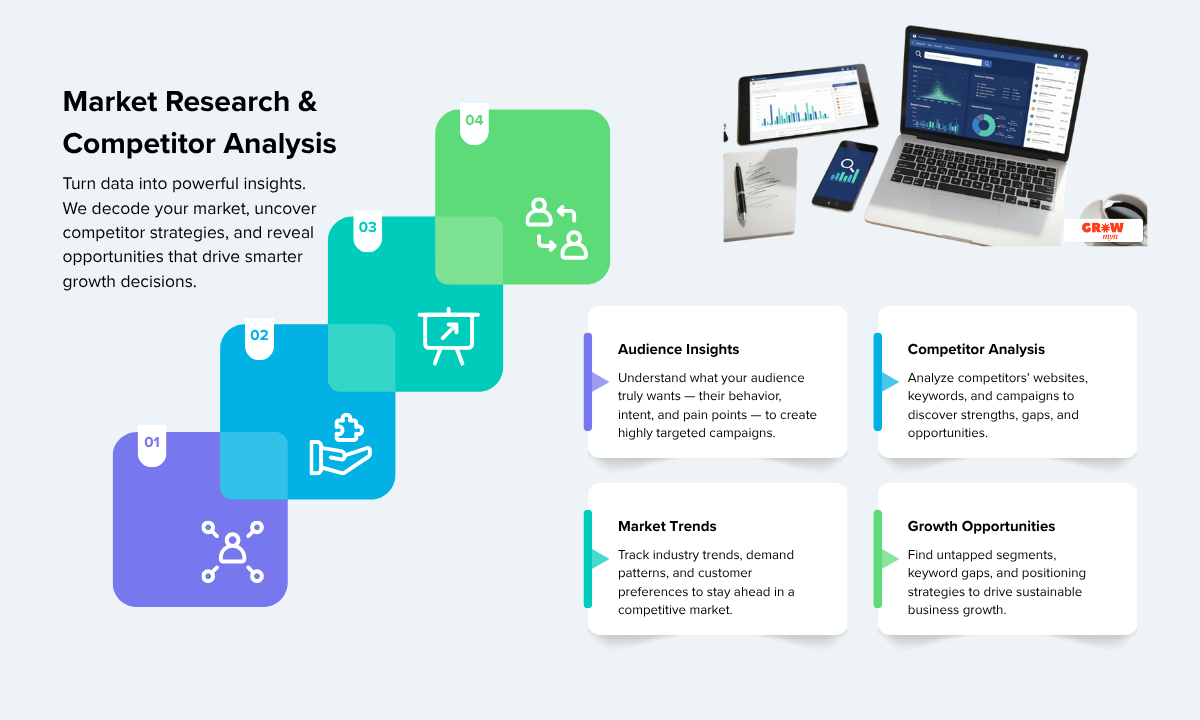
Once the business objectives are clear, the next step involves detailed market research.
Digital marketing agencies analyze the competitive landscape to understand how similar businesses position themselves online. This includes studying:
- Competitor websites and content strategies
- Search engine rankings for relevant keywords
- Paid advertising strategies
- Social media engagement patterns
This research allows agencies to identify market gaps and opportunities that can help a business stand out in competitive digital spaces.
Website Audit and Optimization
A website acts as the central hub of any digital marketing strategy.
Before launching campaigns, agencies usually conduct a comprehensive website audit to evaluate its performance and technical structure.
Key areas that are typically analyzed include:
- Website loading speed
- Mobile responsiveness
- Technical SEO structure
- User experience and navigation
- Conversion optimization elements
Improving these factors ensures that the website not only attracts visitors but also converts them into potential customers.
Search Engine Optimization (SEO)
Search Engine Optimization remains one of the most effective long-term digital marketing strategies.
The primary objective of SEO is to improve a website’s visibility in search engine results when potential customers search for relevant services or products.
SEO Services strategies generally include:
- Keyword research and search intent analysis
- On-page SEO improvements
- Technical SEO optimization
- Local SEO strategies
- High-quality link building
For businesses targeting specific cities or regions, local SEO becomes especially important because it helps attract nearby customers actively searching for services.
Paid Advertising for Faster Results
While SEO builds long-term growth, paid advertising helps businesses achieve faster visibility and lead generation.
Digital marketing agencies manage advertising campaigns across platforms such as:
- Google Ads
- Facebook and Instagram Ads
- YouTube Advertising
- Display advertising networks
Successful campaigns rely heavily on audience targeting, data analysis, and continuous optimization to ensure marketing budgets are used efficiently.
Social Media Presence and Brand Engagement
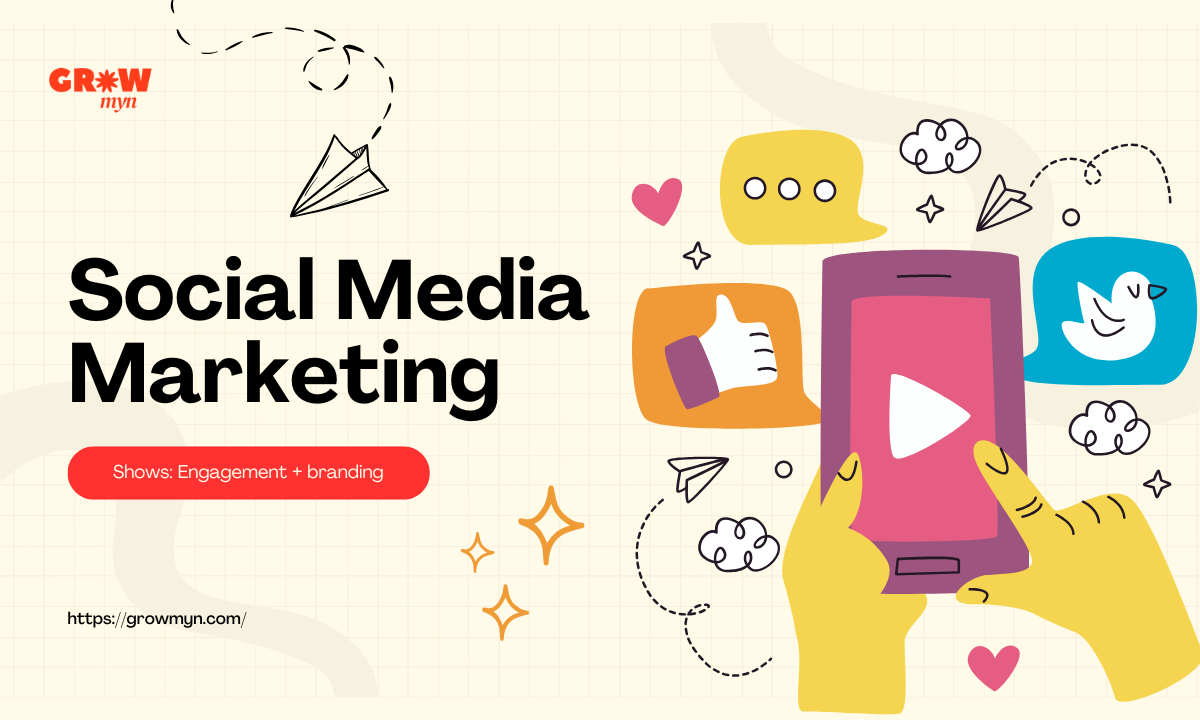
Social media platforms have become essential channels for businesses to connect with their audiences.
Digital marketing agencies help businesses maintain an active presence by focusing on:
- Strategic content planning
- Visual brand communication
- Audience engagement
- Paid social media campaigns
An effective social media marketing strategy does not focus solely on promotion; it focuses on building trust, credibility, and long-term relationships with audiences.
Content Marketing Strategy
Content is a powerful tool in digital marketing because it helps businesses educate, inform, and engage potential customers.
Agencies typically develop content strategies that include:
- Informative blog articles
- SEO-optimized website content
- Educational videos
- Infographics and visual resources
High-quality content also helps websites improve their search engine visibility and industry authority over time.
Performance Tracking and Reporting
Transparency is an important aspect of professional digital marketing services.
Agencies regularly monitor campaign performance and provide reports that track key performance indicators such as:
- Website traffic growth
- Keyword ranking improvements
- Lead generation metrics
- Advertising performance
- Conversion rates
These insights allow businesses to clearly understand how digital marketing efforts contribute to overall business growth.
Continuous Optimization and Strategy Improvement
Digital marketing is an ongoing process rather than a one-time activity.
Search engine algorithms evolve, customer behavior changes, and competitors continuously adjust their strategies. Because of this, agencies regularly refine and optimize campaigns.
Continuous optimization includes:
- Updating SEO strategies
- Improving advertising performance
- Testing new marketing approaches
- Enhancing content strategies
This iterative process helps businesses maintain sustainable online growth over time.
Final Thoughts
From a client’s perspective, working with a digital marketing agency should feel like building a strategic partnership rather than simply outsourcing marketing tasks.
A structured approach that combines research, strategy, execution, and continuous optimization enables businesses to build a strong digital presence and generate meaningful results.
Insights shared in this article reflect the kind of structured process followed by many professional agencies, including teams working in growing digital hubs such as Sector 46, Gurgaon, where companies like GrowMyn Media operate in a highly competitive digital marketing ecosystem.